Tulum Cenotes: The Epicenter of the Riviera Maya
Discover the best cenotes in Tulum, from the world-famous Dos Ojos to the stunning Gran Cenote.
Tulum is home to some of the most iconic and accessible cenotes in Mexico. Whether you’re a first-timer or an experienced diver, the Tulum region has something for everyone.
Visual Guide: Tulum’s Hidden Gems
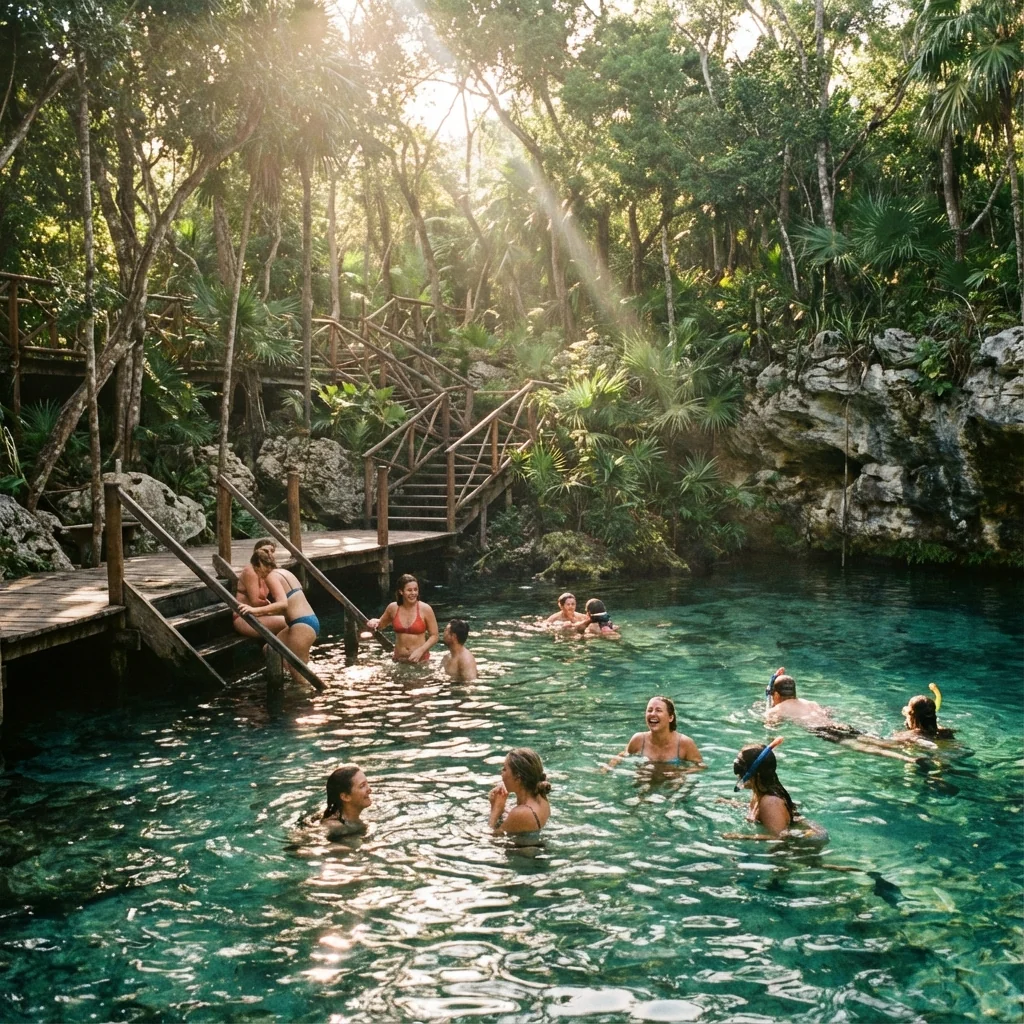
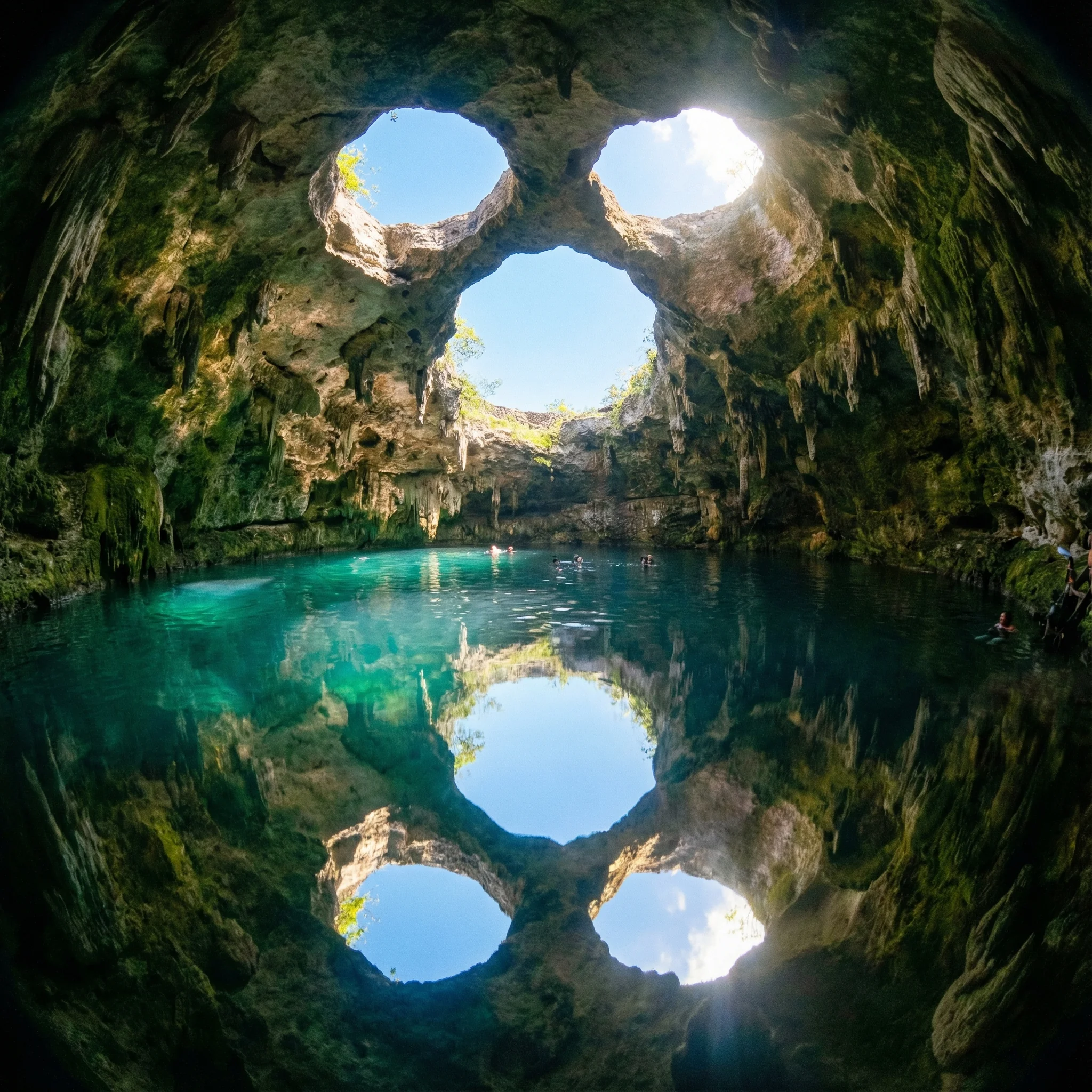
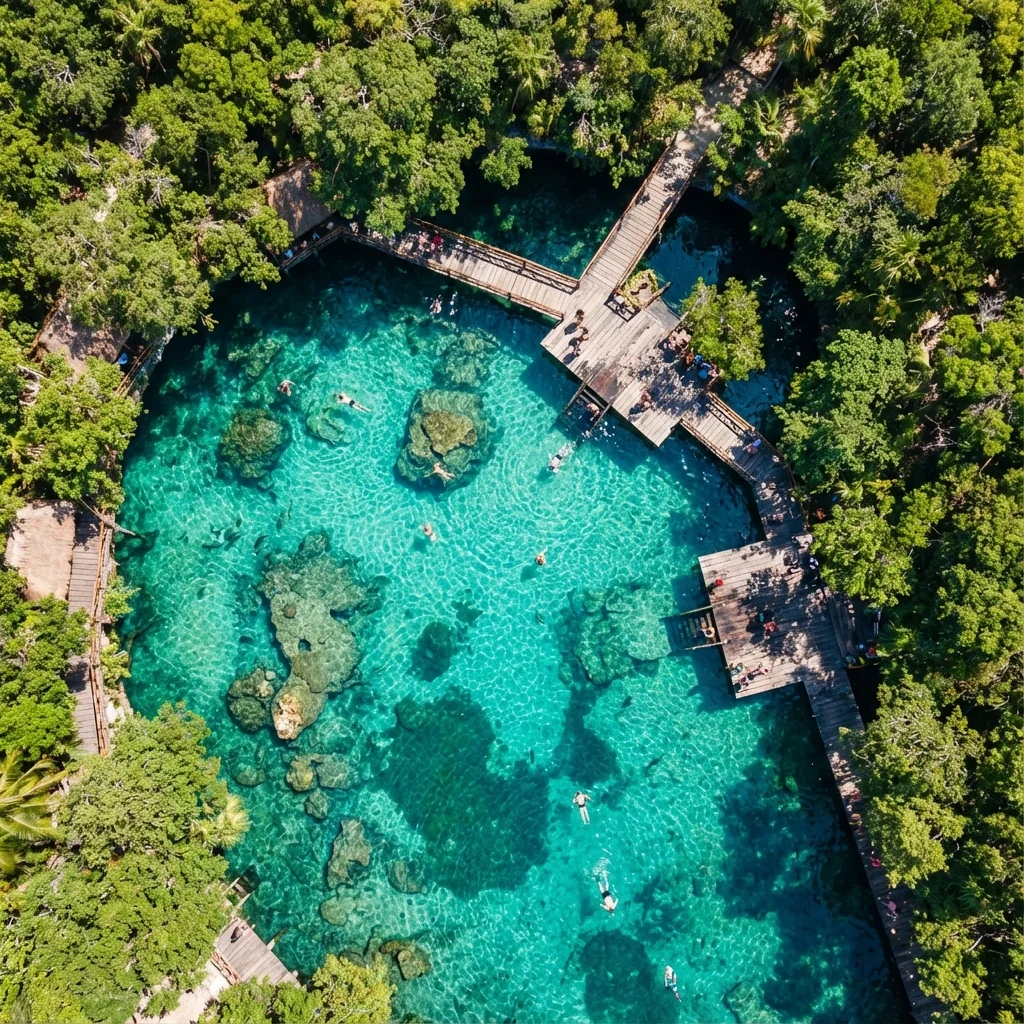
Top Cenotes in Tulum
Top 5 Cenotes in the Tulum Region: A Researcher’s Guide
1. Gran Cenote
The Quintessential Semi-Open Cavern
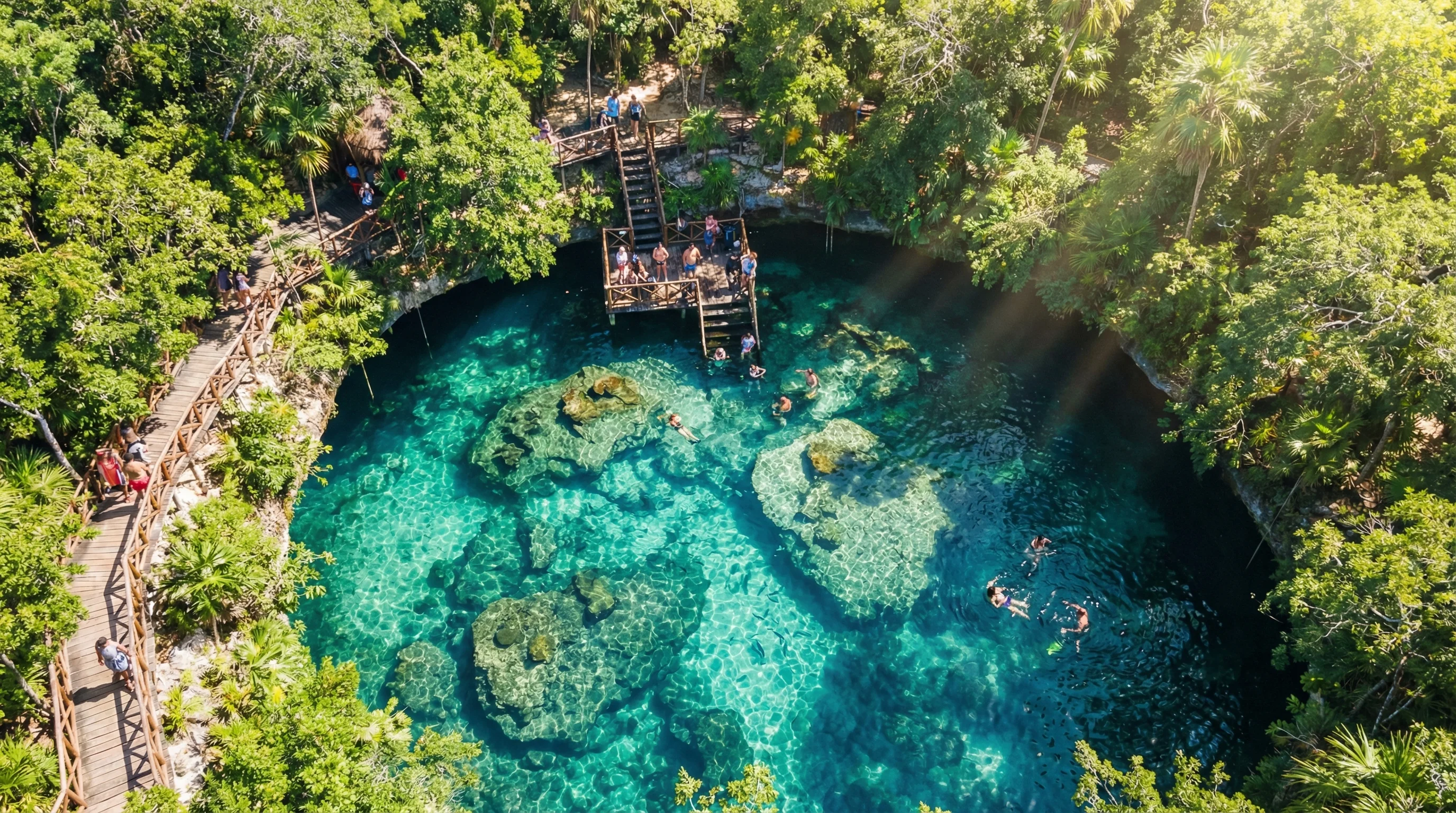
- Description: Gran Cenote is arguably the most famous cenote in the Tulum area, serving as the primary entry point for travelers looking to experience the vast Sac Actun underground river system. It is a semi-open cenote, meaning it features a mix of open-air swimming areas and cavernous tunnels adorned with stalactites and stalagmites. The site is meticulously maintained, featuring wooden boardwalks that connect two main swimming areas through a cave tunnel. The water is renowned for its crystal-clear visibility, allowing swimmers to observe the limestone formations beneath the surface without needing scuba gear.
- Why It Is Special: This cenote is ecologically distinct due to its resident population of freshwater turtles, which can often be seen swimming alongside visitors. It offers a “best of both worlds” experience: the accessibility of an open pool for snorkelers and families, combined with the geological drama of a cave system for the adventurous. It is also one of the few cenotes where you can see bats roosting in the cave ceiling while you swim below.
- 2025/2026 Entry Fee & Logistics:
- Fee: Approximately $500 MXN (~$25–$29 USD).
- Inclusions: Life jackets are often included or mandatory; snorkeling gear is usually an extra rental fee (~$100 MXN).
- Note: Cash is heavily preferred, though some reports suggest USD is accepted at a poor exchange rate. Showers are mandatory before entry to protect the ecosystem.
2. Cenote Dos Ojos
The Diver’s Mecca
- Description: Translating to “Two Eyes,” this park features two neighboring circular sinkholes (the East Eye and West Eye) connected by a massive 400-meter underwater passageway. It is part of one of the longest underwater cave systems in the world. The “Blue Eye” is open and filled with natural light, making it ideal for snorkelers, while the “Black Eye” is darker and leads into the cavern system, favored by divers. The water temperature remains a constant 24-25°C (77°F) year-round.
- Why It Is Special: Dos Ojos is the premier destination for cavern and cave diving in the Riviera Maya. It offers unparalleled visibility (often exceeding 100 meters/300 feet), creating a sensation of flying rather than swimming. For non-divers, the site is special for its “Bat Cave” (Baticueva), accessible via a guided snorkel tour, where you can surface inside an air-filled dome inhabited by bats. The geological formations here are massive and ancient, offering a cathedral-like underwater experience.
- 2025/2026 Entry Fee & Logistics:
- Fee: $350–$400 MXN for general admission (swimming/snorkeling on your own).
- Tour Package: $700–$800 MXN if you opt for the guided snorkel tour which includes equipment and access to the Bat Cave.
- Note: Cash only. Located inside a larger park (Parque Dos Ojos), so you may need to travel about 2km from the highway entrance to the cenote itself.
3. Cenote Calavera
The “Temple of Doom”
- Description: Located just outside Tulum Pueblo on the road to Coba, Cenote Calavera is a “cántaro” or jug-style cenote. From above, the limestone roof has collapsed in three spots””one large opening and two smaller ones””resembling a skull (hence the name Calavera). The water is deep (approx. 15-16 meters) with no shallow wading areas, making it a spot for confident swimmers. Access is via a wooden ladder or by jumping directly into the holes.
- Why It Is Special: This cenote is a favorite for thrill-seekers and photographers. The unique “skull” openings allow visitors to jump through the smaller holes into the water below, a feature that has made it viral on social media. Below the surface, divers can experience a visible halocline, where fresh water meets denser saltwater, creating a mesmerizing visual blurring effect. It also features a rope swing and a more “backyard,” rustic vibe compared to the commercialized parks.
- 2025/2026 Entry Fee & Logistics:
- Fee: $250–$300 MXN (~$15–$18 USD).
- Extra Costs: There is often an additional fee for using professional cameras or GoPros (approx. $200+ MXN) and life vests may be an extra rental charge.
- Note: Facilities are basic (restrooms, snack stand). It is very close to town and can be reached by bicycle.
4. Cenote Zacil-Ha
The Family-Friendly Open Pool
- Description: Zacil-Ha (“Clear Water”) is an open-air cenote that resembles a natural swimming pool with crystal-clear turquoise water. It is relatively small and compact, with wooden decks and concrete perimeters replacing the rugged jungle edges found at other sites. The average depth is manageable (approx. 3 meters), though it connects to deep caves used by certified divers.
- Why It Is Special: This is the top choice for families or travelers seeking a relaxed, resort-style atmosphere. It features a zipline that runs directly over the cenote, allowing visitors to drop into the water from above for a small fee. The facility is well-developed with swimming pools, a restaurant, changing rooms, and covered palapas, making it easy to spend a full day comfortably. It is less crowded than Gran Cenote but offers similarly striking water clarity.
- 2025/2026 Entry Fee & Logistics:
- Fee: $200–$300 MXN (~$12–$17 USD).
- Zipline: ~$10 MXN per ride.
- Note: Located on the road to Coba, very close to Cenote Carwash (Aktun Ha), making it easy to visit both in one trip.
5. Cenote Carwash (Aktun Ha)
The Underwater Garden
- Description: Officially named Aktun Ha, this large, open-air cenote earned its nickname because local taxi drivers used to wash their cars here decades ago. Today, it is a pristine natural sanctuary. It looks like a large pond surrounded by lush jungle. The water is generally clear, though in summer months, algae blooms can create a “cloud” effect near the surface that traps heat, while the water below remains crystal clear.
- Why It Is Special: Cenote Carwash is famous for its underwater garden; the bottom is covered in lily pads, submerged trees, and aquatic vegetation, creating a fairy-tale forest look for snorkelers and photographers. It is also the residence of a small, semi-famous crocodile named Jorgito, who is occasionally spotted by swimmers (he is generally considered harmless if left alone, but caution is advised). It is less commercial and crowded than Dos Ojos or Gran Cenote, offering a peaceful nature experience.
- 2025/2026 Entry Fee & Logistics:
- Fee: $200–$300 MXN (~$12–$17 USD).
- Inclusions: Entrance usually covers facility access; snorkel gear and lockers are extra (~$50 MXN).
- Note: Cash only. Excellent for combining with a visit to Zacil-Ha, which is practically next door.
Cenotes in Tulum Cenotes: The Epicenter of the Riviera Maya
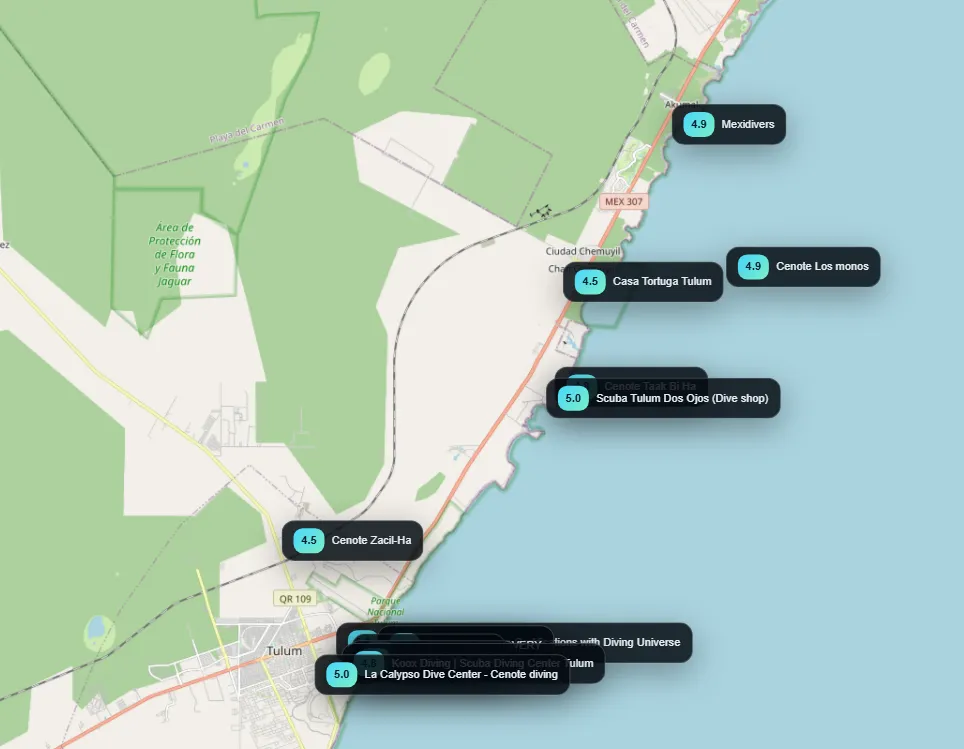
Dos Ojos Cenote Interactive Map 2026 - Dive Shops & Guide Locations
Find Your Perfect Dos Ojos Dive Guide
Planning your Dos Ojos cenote adventure? This interactive map showcases 12 …
Explore GuideDos Ojos Cenote Tulum: Things to Do 2026 - Complete Activity Guide
Dos Ojos Cenote is one of the most popular cenotes near Tulum, especially for snorkeling and cavern diving, and 2026 …
Explore Guide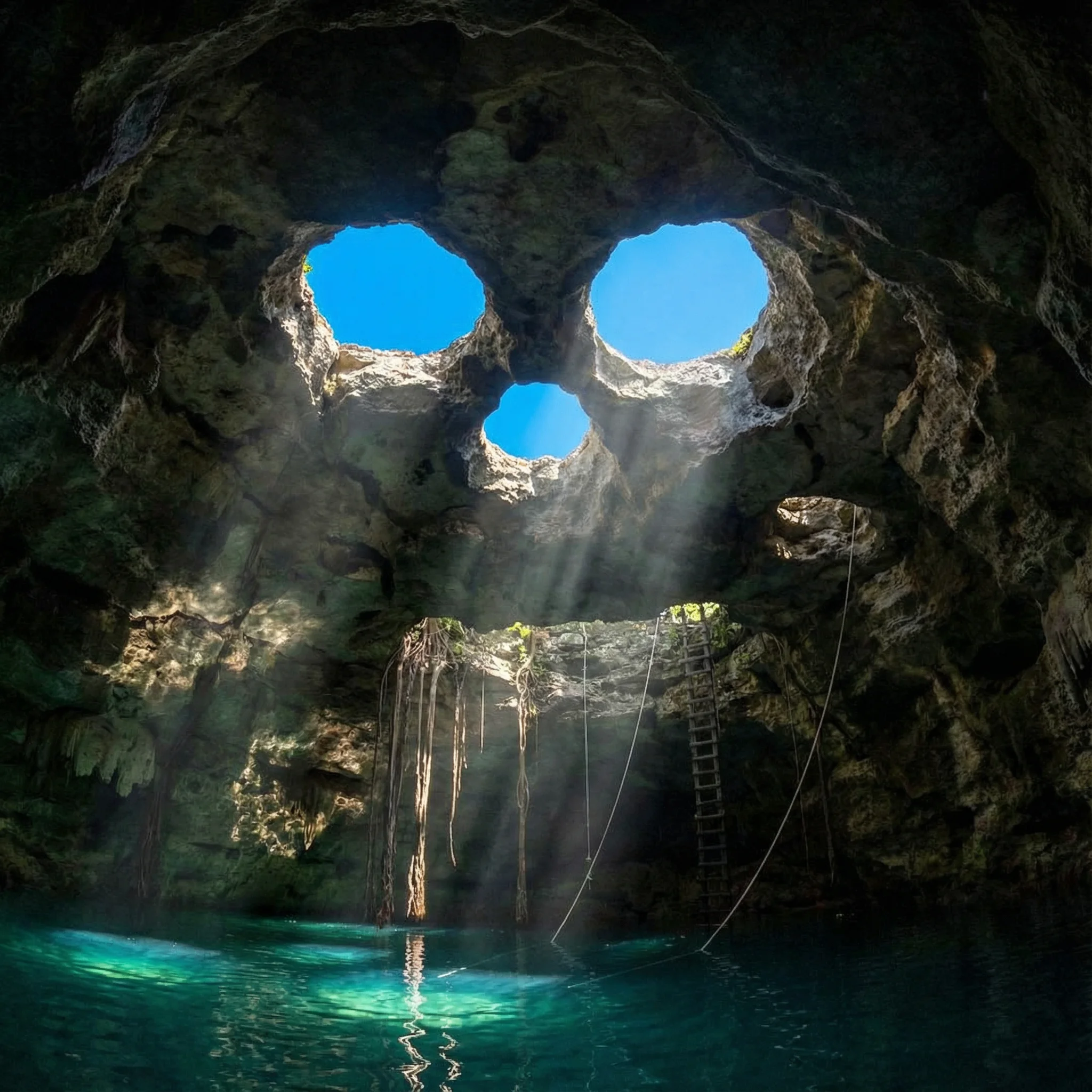
Cenote Calavera: The Skull Cenote Guide
The Ultimate Guide to Cenote Calavera: Tulum’s “Temple of Doom”
Key Takeaways:
- Why “Skull”? …

Cenote Dos Ojos: Complete Visitor Guide
The Ultimate Guide to Cenote Dos Ojos: Tulum’s Underwater Cathedral
Key Takeaways
- Location: 22km North of Tulum …
Gran Cenote: Complete Visitor Guide
The Ultimate Guide to Gran Cenote: Tulum’s Crystal Clear Playground
Key Takeaways:
- Current Status (2025/2026): Open …